


Every September, the Custer State Park Buffalo Roundup and Arts Festival brings thousands of spectators to watch riders herd nearly 1,300 massive animals across the plains. But here’s the million-dollar question: are they buffalo... or bison?
The answer is both simple and tricky. In North America, the shaggy, horned giants you see thundering across the prairie are bison. The word “buffalo” is a nickname that stuck around from early explorers who thought they resembled the buffalo of Africa and Asia.
The Science-y Stuff
-
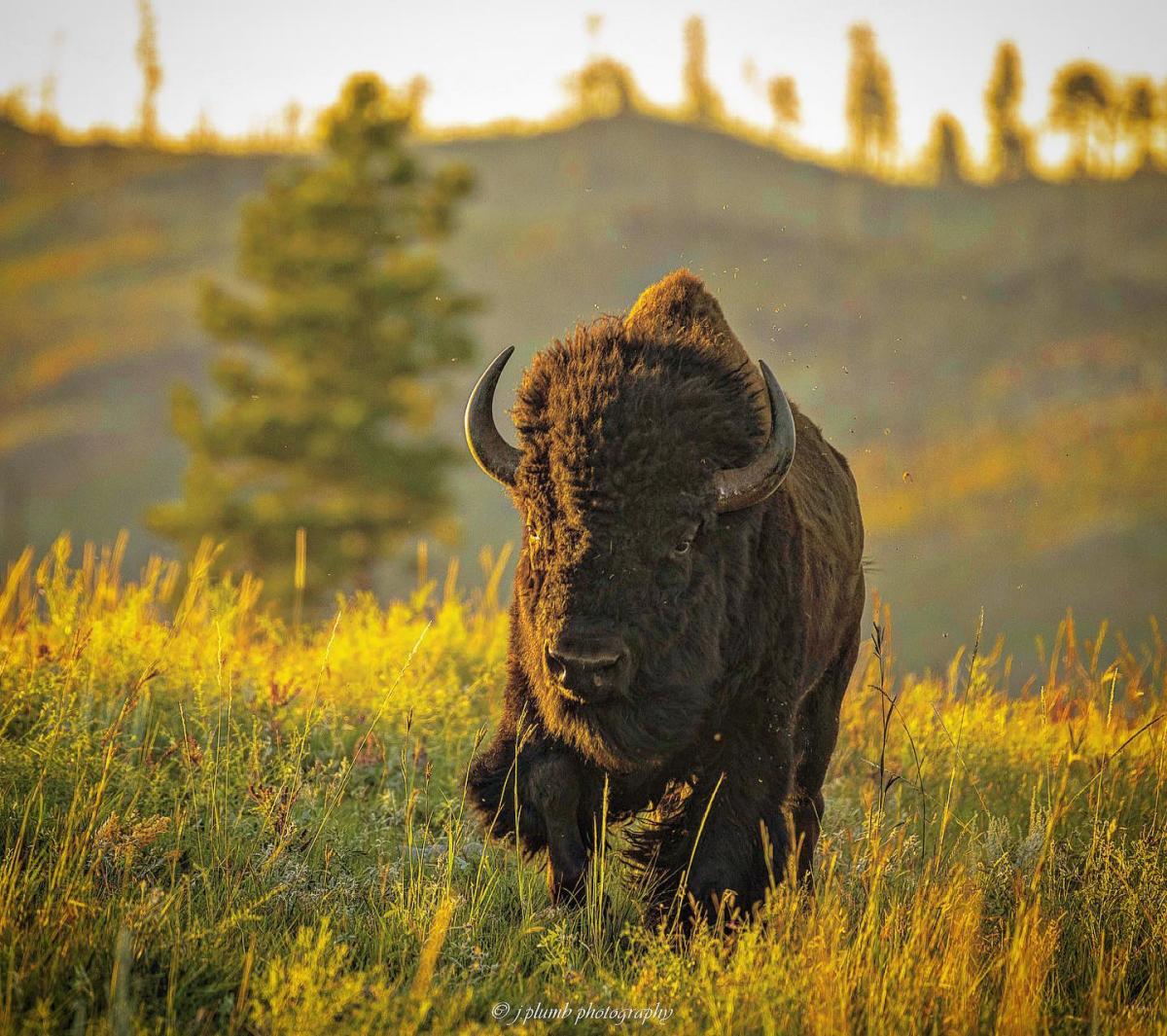
Bison: Native to North America and parts of Europe. They have big humps on their shoulders, thick fur and shorter horns.
-
Buffalo: Found in Africa (Cape buffalo) and Asia (water buffalo). They don’t have humps, have larger horns and live in completely different climates.
So when you visit the Black Hills, you’re actually seeing bison. But since “buffalo” became the common word generations ago, it’s still what many locals (and the roundup itself) call them.
Why the Mix-Up?
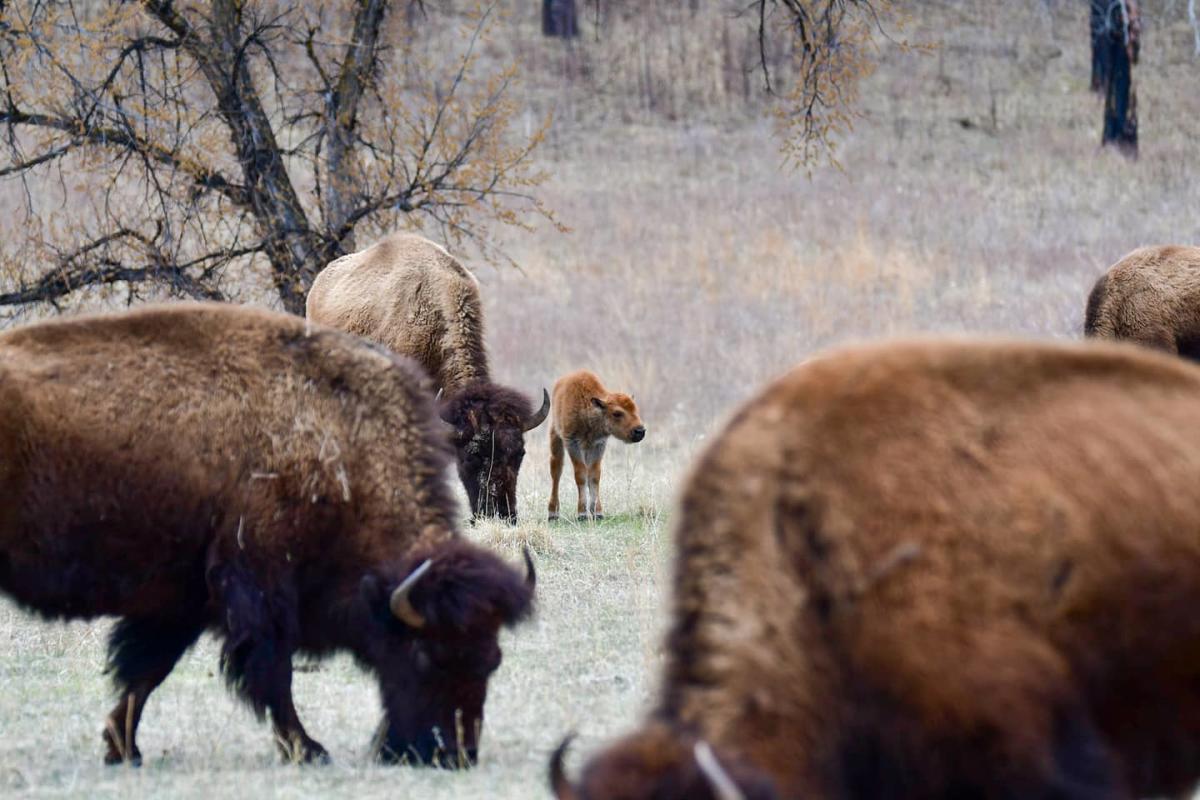
Language has a way of bending. Early settlers used “buffalo” as shorthand, and it never left. Even the iconic song “Home on the Range” calls them buffalo. Technically, it’s not correct, but it’s part of our cultural DNA.
Think of it this way: all animals we call buffalo in the U.S. are bison, but not all bison in the world are called buffalo. Confusing? A little. Fun to explain at the roundup? Definitely.
Don’t Pet the Fluffy Cows
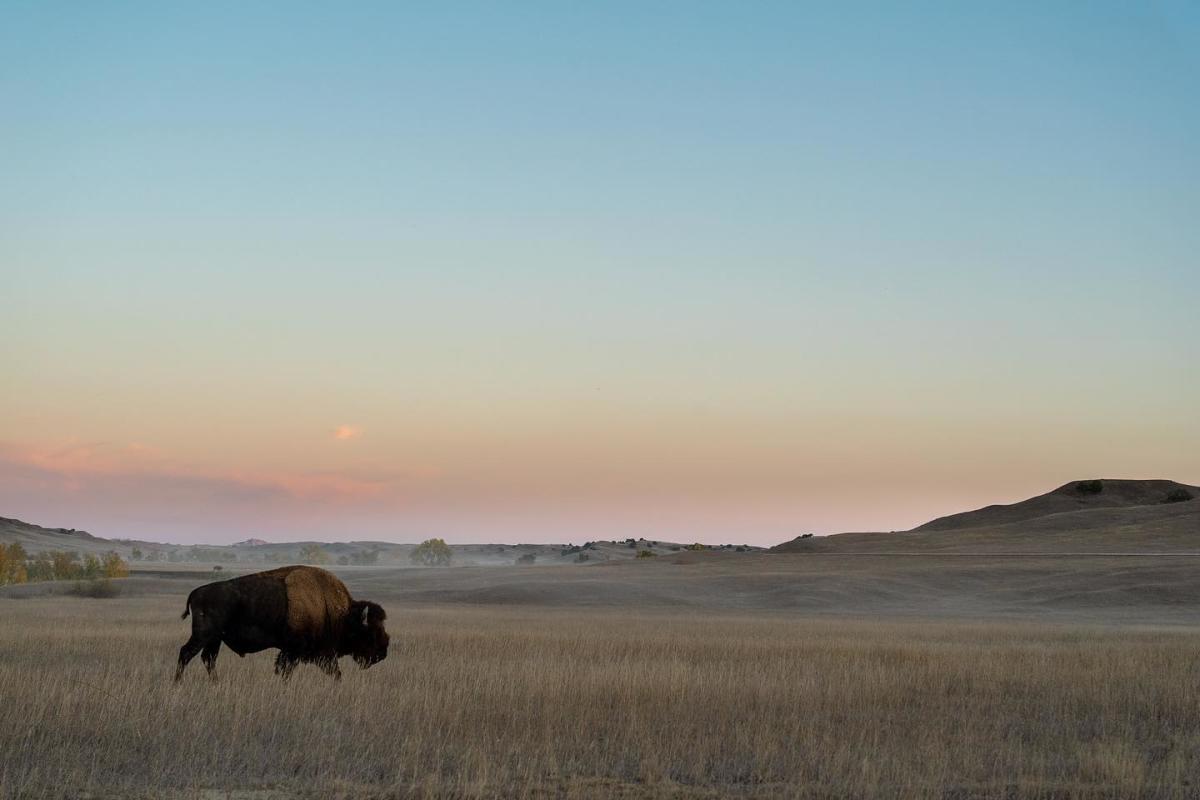
Yes, they look soft. Yes, they look slow. But bison can run up to 35 miles per hour and weigh more than a ton. So, while we like to joke and call them “fluffy cows,” remember they’re wild, unpredictable and very much in charge. Admire them from a safe distance!
The Bottom Line
At the Buffalo Roundup and Arts Festival, you’re really watching bison. Call them what you like, buffalo, bison or fluffy cows, the experience is unforgettable. Just don’t pet them!
Check out our 7 Pro Tips for Attending the Annual Buffalo Roundup blog to make your experience extra memorable.